
The Ultra-Processed Food Trap: What the Food Industry Doesn't Want You to Know
Walk into any grocery store and you'll find thousands of products. But if you look carefully, the majority of them share something in common: they're ultra-processed foods designed not to nourish you, but to keep you buying.
This isn't a conspiracy theory. It's a documented business model — and understanding it is the first step to escaping it.
What Is "Ultra-Processed"?
Researchers use a classification system called NOVA that divides food into four groups:
- Unprocessed or minimally processed — fresh fruits, vegetables, meat, eggs, milk
- Processed culinary ingredients — oils, butter, flour, sugar used in cooking
- Processed foods — canned vegetables, cheese, cured meats, bread
- Ultra-processed foods (UPF) — formulations made mostly from substances extracted from foods, with little or no whole food
Ultra-processed foods typically contain five or more ingredients, including many that you wouldn't find in a home kitchen: emulsifiers, preservatives, artificial colors, flavor enhancers, and substances like high-fructose corn syrup, hydrogenated oils, and modified starches.
Why Ultra-Processed Foods Are Dangerous
A landmark study published in The BMJ followed 100,000 people and found that a 10% increase in ultra-processed food consumption was linked to a 12% increase in cancer risk.
Other research has linked high UPF consumption to:
- Obesity and metabolic syndrome
- Type 2 diabetes
- Cardiovascular disease
- Depression and anxiety
- Gut microbiome disruption
- Accelerated aging
The mechanisms are multiple: these foods are engineered to be hyperpalatable (meaning your brain's "stop eating" signals don't work properly), they displace nutrient-dense foods, and many of the additives themselves appear to be harmful.
The Addiction is Designed
The food industry employs thousands of food scientists whose job is specifically to find the "bliss point" — the precise combination of salt, sugar, and fat that makes a product irresistible.
Former FDA Commissioner David Kessler's book The End of Overeating documents how major food companies deliberately engineer products to override normal satiety signals.
This isn't an accident. It's the business model.
What to Do About It
You don't have to go fully organic or spend a fortune. Start here:
Read ingredient lists, not nutrition labels. The nutrition label shows nutrients. The ingredient list shows what the food is actually made of. If you can't identify most of the ingredients as real food, put it back.
The "five ingredient rule." Avoid products with more than five ingredients. This is a rough heuristic, not a law — but it quickly filters out most ultra-processed products.
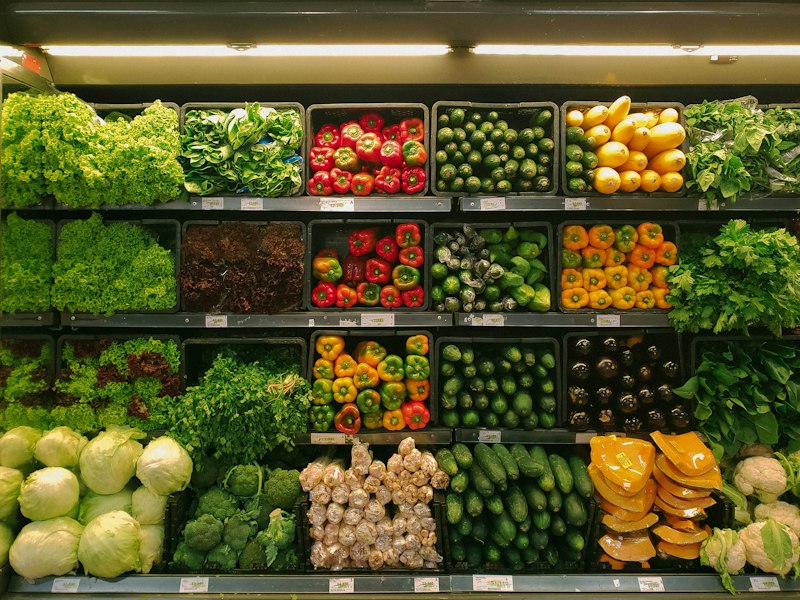
Shop the perimeter. Fresh produce, meat, dairy, and eggs are almost always around the edges of a grocery store. The center aisles are where ultra-processed foods live.
Cook more, even badly. A mediocre homemade meal is almost always nutritionally superior to a well-made ultra-processed product. You don't need to be a good cook — you need to cook.
Use our Food Scanner. Scan any product's barcode to instantly see its NOVA processing level and any flagged additives. Knowledge is the first defense.
The food system is not designed with your health in mind. But your buying decisions — made one product at a time — can change what you put in your body and signal to the market what you actually want.
Comments
Sign in to leave a comment.
Loading comments…